
- All
- Product Name
- Product Keyword
- Product Model
- Product Summary
- Product Description
- Multi Field Search
 English
Views: 0 Author: Site Editor Publish Time: 2026-07-24 Origin: Site
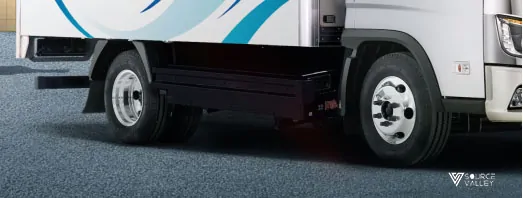
Due to local road conditions and extreme climate, speed rating is a critical factor when selecting light truck tires for use in Central Asia.
If you choose an improper tire, mild consequences include accelerated rubber aging and cracking, which shortens tire service life. In worse cases, sudden tire blowouts may occur. At high speeds, vehicles are prone to roll over or rear-end other vehicles, leading to traffic accidents and economic losses.
So why are J-rated light truck tires best suited for Central Asia’s climate and road conditions?
First, let’s clarify a key definition: A speed rating J means a maximum safe speed of 100 km/h. Other common speed ratings are listed below:
· G (90 km/h) · K (110 km/h) · L (120 km/h) · M (130 km/h)
Traffic rules in Central Asian countries, e.g. Kazakhstan, clearly stipulate that light trucks (gross vehicle weight ≤ 3.5 tons) have a speed limit of 90–100 km/h on rural roads, and a maximum speed of 110 km/h on highways.
In actual operation, the average speed of light trucks on long hauls is 60 to 80 km/h. On mountainous or unpaved roads, the speed drops to 40–60 km/h. Clearly, the 100 km/h rating of J-rated tires fully meets daily operation requirements.

On flat Gobi highways, tires need stable tread performance. The longitudinal grooves on J-rated tires provide excellent water drainage at high speeds and improve wear resistance.
Mountainous and unpaved roads feature numerous gravel and potholes, requiring tough tire sidewalls to withstand impacts. J-rated tires have a far stronger carcass structure than G-rated tires, making them ideal for rough terrain. Meanwhile, they are much more cost-effective than higher-speed tires.
A fleet client in Kyrgyzstan once used G-rated tires, which lasted about 28,000 kilometers per tire. The fleet suffered continuous losses from downtime and repair costs caused by frequent tire blowouts and bulges every year.
After switching entirely to our dedicated J-rated tires, the average service life was extended to 42,000 kilometers. Although the procurement cost increased slightly, tire replacement frequency and maintenance expenses were reduced significantly.
Summer temperatures in Central Asia often reach 35–40°C, with large temperature swings of around ±20°C. Such an environment demands tires with outstanding heat resistance and anti-aging performance, as well as reliable stability in high heat and flexibility in low temperatures.
The specially formulated carcass and rubber compound of J-rated tires fully meet these requirements and greatly reduce the risk of tire blowouts.
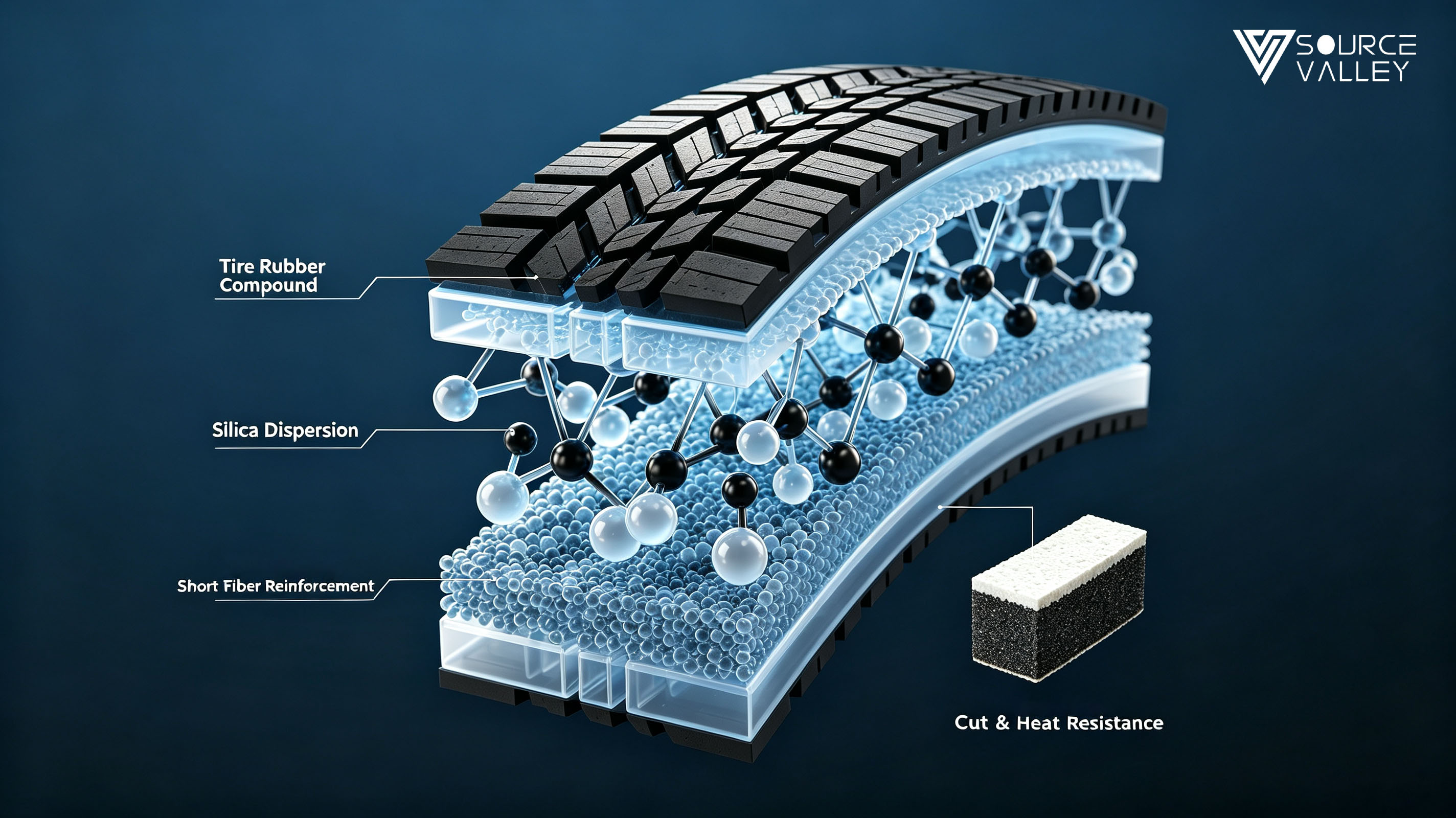
G-rated tires (90 km/h) are not suitable for long-distance travel in high temperatures. They are easy to suffer thermal damage and will raise overall fuel consumption.
Higher-rated tires (K/L/M, 110–130 km/h) are sold at higher prices and deliver overqualified performance for local driving scenarios.
H-rated tires (210 km/h) are designed for passenger cars. Their carcass structure is optimized for smooth roads and can be easily damaged under heavy loads or on rough terrain.
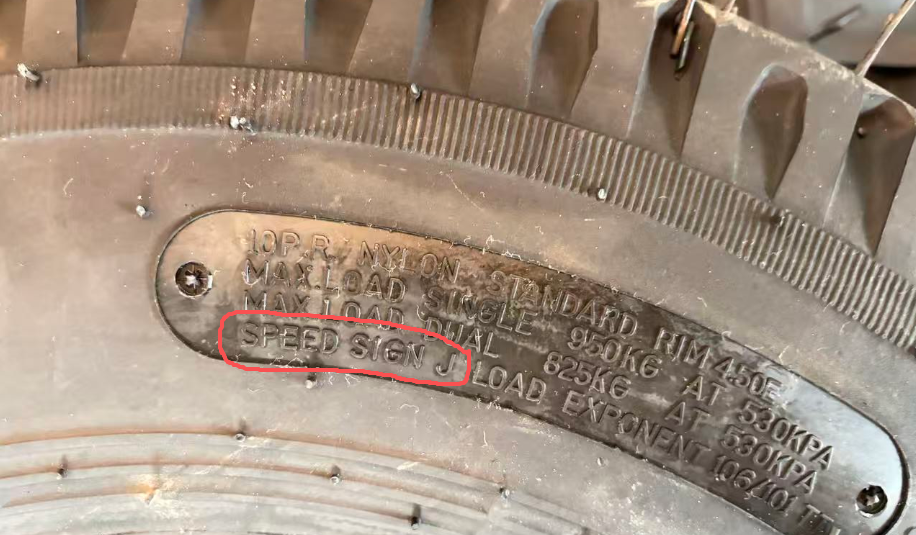
There are two common marking methods:
1. The speed rating letter is placed at the end of the tire size on the sidewall, e.g. 175/70R14 88T. This is widely used for passenger car tires.
2. The speed rating is listed as a separate specification on the tire plate marked SPEED SIGN. This format is commonly applied to light truck, truck and agricultural tires.
Direct replacement is allowed, but please follow three important rules:
① Both tires on the same axle must be J-rated.
② The load index of new tires must be no lower than that of the original tires.
③ Use the standard pressure for J-rated tires, which is 0.2–0.3 bar higher than the standard pressure for G-rated tires.
No perfect all-round tire exists, but J-rated tires are the closest option. They balance heat resistance, impact resistance and low-temperature flexibility at a reasonable price.
Higher-speed tires (K/L/M) have good heat resistance but are vulnerable to damage on rough roads and cost more. G-rated tires are cheaper, yet they carry high blowout risks in summer and have a shorter service life.
We do not recommend this choice. Frequent stops and starts during short trips in hot weather cause localized heat buildup and accelerate tire wear.
G-rated tires are only suitable for low-speed vehicles operating exclusively on construction sites or within yards (maximum speed ≤ 80 km/h).
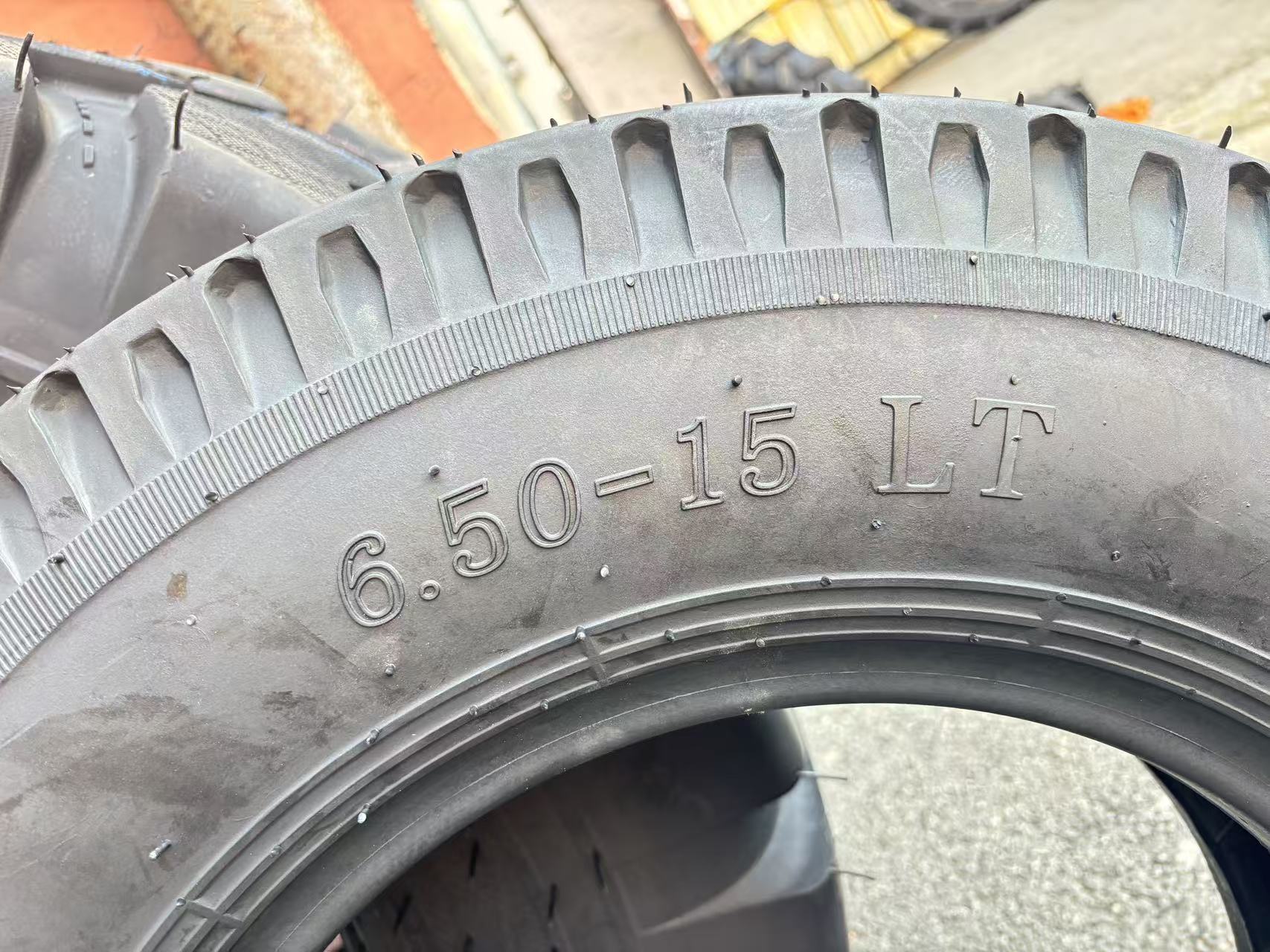
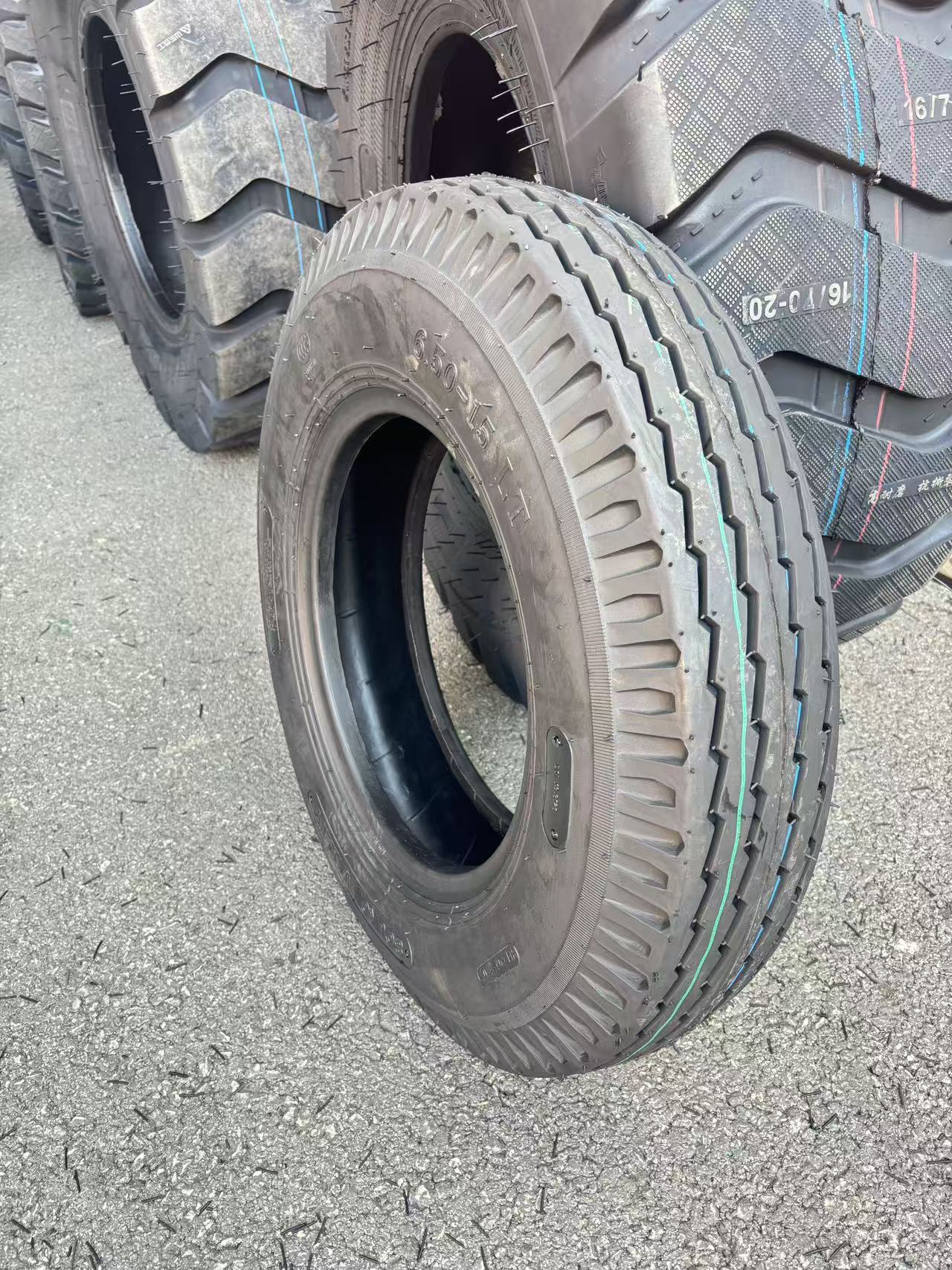
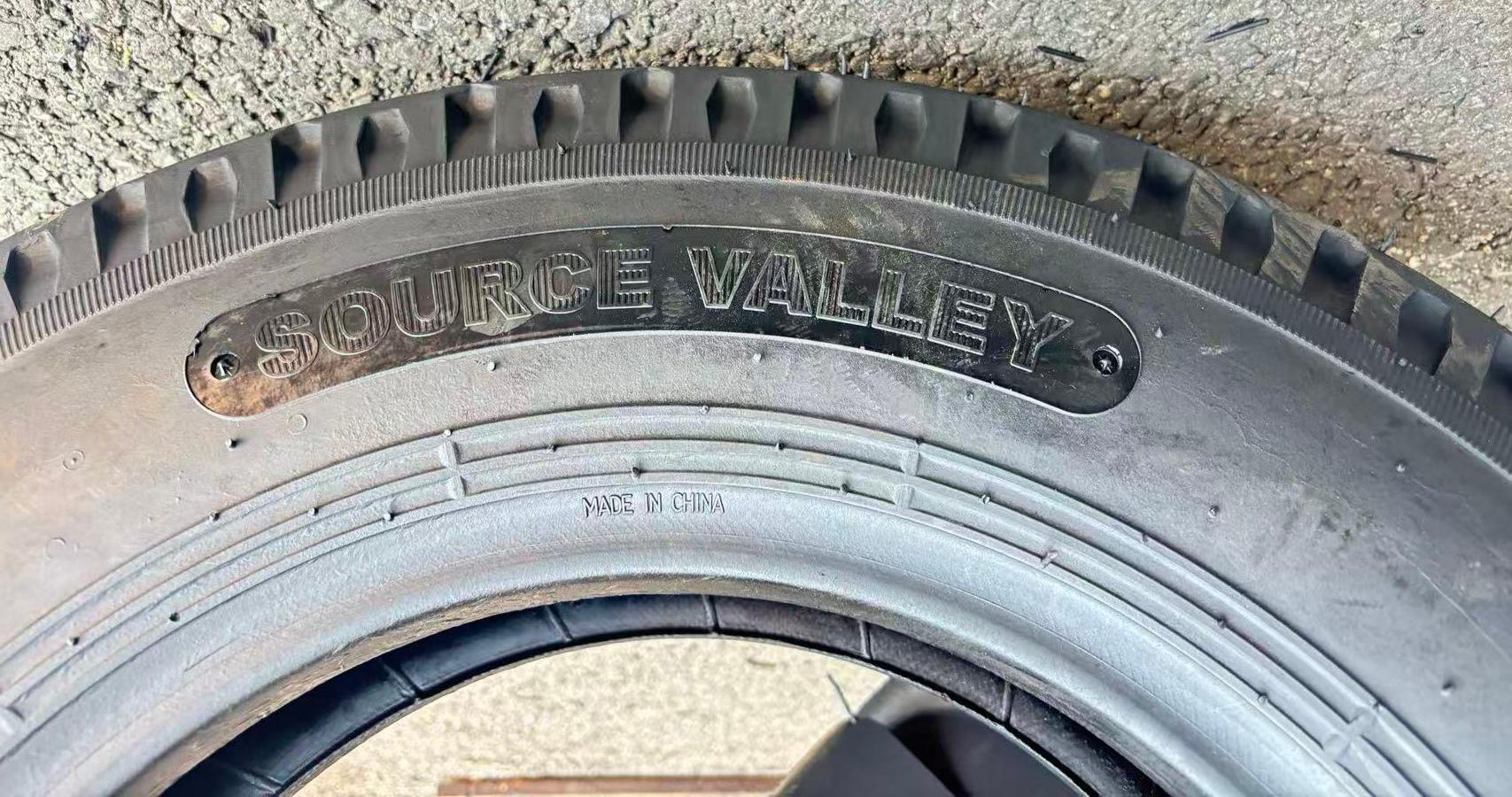
We have recently launched our new 650-15 LT Light Truck Tire Series with speed rating J. It is designed for heavy loads and steady driving at up to 100 km/h.
We are a professional tire supplier from China with more than 20 years of industry experience and complete qualifications. Our core markets cover Kazakhstan, Kyrgyzstan, Tajikistan, Uzbekistan, Turkmenistan, Georgia, Armenia and Azerbaijan.
We own independent brands: SOURCE VALLEY, RELI HORSE and RELI HORIZON. We also maintain long-term and stable partnerships with top domestic tire manufacturers including CHAOYANG and GOODRIDE.
For a quick quotation, please visit: https://www.sourcevallytire.com/contactus.html
Reference Regulations Road Traffic Rules and Vehicle Safety Accessory Management Regulations of Kazakhstan, Uzbekistan and other Central Asian countries.


